
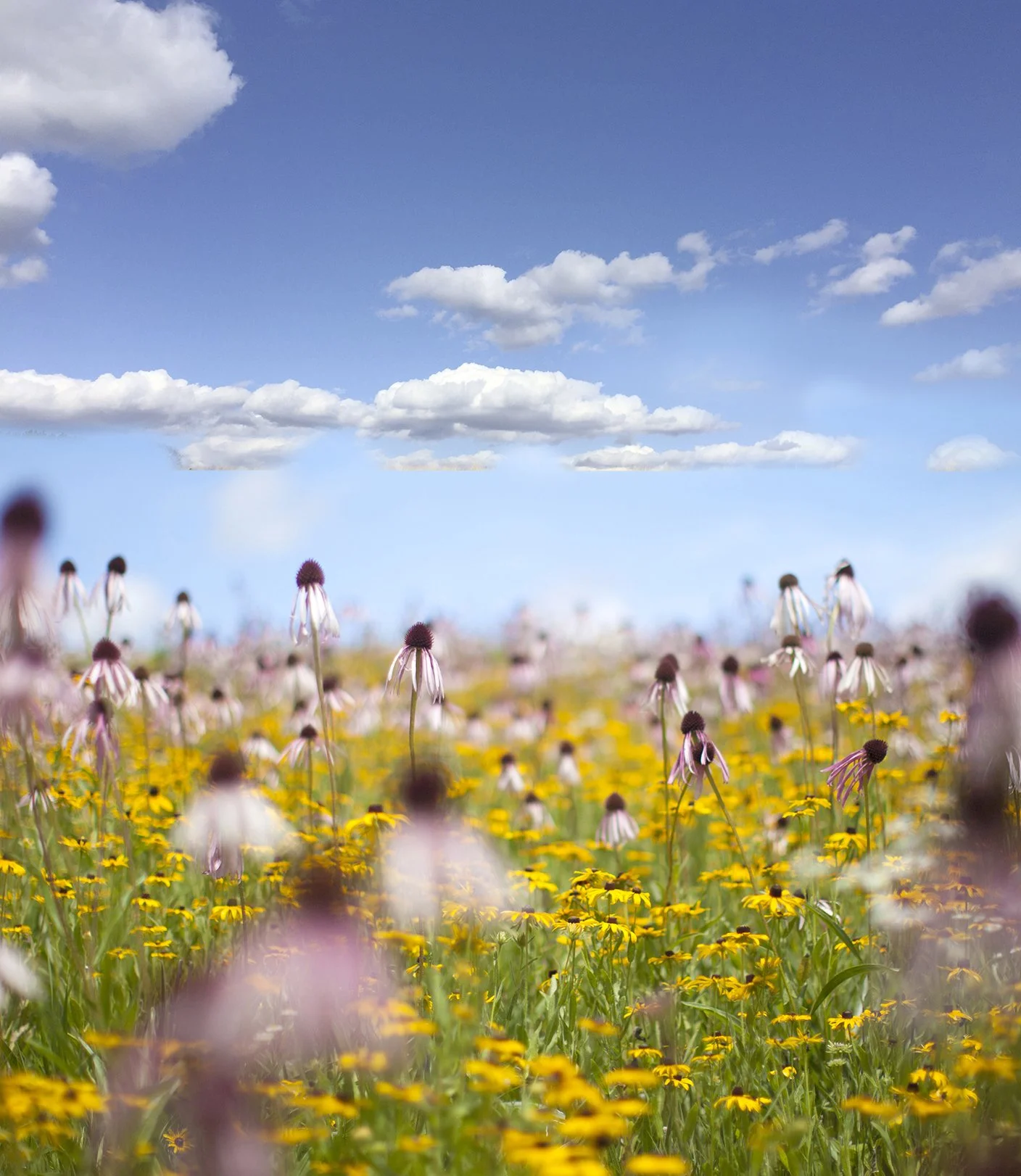
Best Practices for Pollinators Summit
February 24, 25, 26 in 2026
Join us for three days of live presentations with a wealth of experts and topics on ecologically sound land practices that promote pollinators, climate resilience, clean water and lands. Summit topics provide practical knowledge and innovation on pesticide reduction, habitat installation, pollinator biology, ecologically sound land stewardship practices, wildlife conservation and more.
Hosted by: Pollinator Friendly Alliance.
Thanks to our Partner Sponsors: MNL Corp, TheTickSuit, Cool Boulder, The Acreage, Natural Shore, and Ciranda.
If you’re interested in presenting for the Best Practices Summit 2027, please contact: laurie@pollinatorfriendly.org
Find 2022-2026 recorded summit presentations here: YouTube: https://www.youtube.com/playlist?list=PLGHXSsYI7l-X3Dcb6a5ABJqMifefg5irc
2026 Summit Schedule, Companion Materials, Presenter Bio’s
Tuesday, February 24, 2026 10:00 AM to 2:15 PM (Central Standard Time)
10:00 AM: Introduction. Laurie Schneider, Co-Founder/Program Director, Pollinator Friendly Alliance.
10:10 AM: Soft Landings and Keystone Plants. Heather Holm, Pollinator Conservationist, Author and Chair of Minnesota Native Bees.
-Handout: Soft Landings: https://www.pollinatorsnativeplants.com/uploads/1/3/9/1/13913231/softlandingshandout.pdf-Handout: General Soft Landings info: https://www.pollinatorsnativeplants.com/softlandings.html
-Online Resource: Keystone Plants by Ecoregion: https://www.nwf.org/Native-Plant-Habitats/Plant-Native/Why-Native/Keystone-Plants-by-Ecoregion
-Online Resource: Soft Landings Storymap: https://arcg.is/1Lvry
11:10 AM: Seeds, Bogs and Stories. Diane Wilson is a Member of the Sicangu Oyate Community, an award-Winning Writer, Educator and Bog Steward.
12:00 PM: Reversing Catastrophic Regime Shifts Through Process‑Based, Non‑Chemical Restoration Tactics: Dan MacSwain, Natural Resources Director for Washington County Parks and Steve Thomforde, Senior Ecologist for Stantec out of Duluth, Minnesota.
1:10 PM: Ecologically Sound Land Stewardship. Dr. Jonathan Lundgren, Director of ECDYSIS Foundation and CEO for Blue Dasher Farm in South Dakota.
Wednesday, February 25, 10:00 AM to 2:30 PM (Central Standard Time)
10:00 AM: Irvine Prairie: Monitoring, Seed Selection and Management. Justin Meissen, Ph.D., Research and Restoration Program Manager, Tallgrass Prairie Center at University of Northern Iowa’s Irvine Prairie.
-Irvine Prairie Restoration Main Page11:00 AM: Keystone Species, Restoration Ecology and Climate Change. Dr. Emily Fairfax, University of Minnesota, Geography, Environment and Society.
Beaver Institute: https://www.beaverinstitute.org/professional-info/beavercon/
Beaver Innovations, Minnesota: https://beaverinnovations.com11:50 AM: Insect Decline Evidence, Causes and Solutions. Dr. Tara Cornelisse, Lead Invertebrate Zoologist, NatureServe.
12:50 PM: Growing Pollinator-Safe Plants: . Sharon Selvaggio, Xerces and Ridge Campbell, Greenhouse Manager at Minnesota Native Landscapes.
-Video: Growing Pollinator-Safe Plants: What Nurseries Can Do (and How You Can Help)
-Article: That Milkweed You Buy at Retail Nurseries May Contain Pesticides
-Factsheet: Buying Bee-Safe Plants
-Factsheet: Offering Bee-Safe Plants
-Factsheet: Supplying Pollinator-Safe Nursery Plants: Avoiding Hidden Risks1:45 PM: State of the Butterflies in the United States: A Roadmap for Butterfly Conservation in the 21st Century. Kevin Burls, Ph.D. Endangered Species Conservation Biologist, Xerces Society.
-Report: State of the Butterflies in the United States: https://drive.google.com/file/d/15P0P5rvUKcmNOcLlMRErBVEDx5PwSxli/view?usp=sharing
Thursday, February 26, 10:00 AM to 2:15 PM (Central Standard Time)
10:00 AM: Exploring Edges: Pollinators, Prairie and People. Anna Jones-Crabtree, PE, PhD, Owner/Farmer of Vilicus Farms and Executive Director of Vilicus Institute, Montana.
11:00 AM: Designing and Growing Native Landscapes. Dan Schutte, Shoreview Natives, Duluth, Minnesota.
11:55 AM: Monarchs and Pesticides. Emily May, Agricultural Conservation Lead, Pesticide Reduction Program, Xerces Society.
12:45 PM: Parasitoid Wasps: Aliens Among Us? Rae Powers, Pollinator Conservation Specialist at Xerces Society, and Partner Biologist at NRCS.
1:30 PM: Bumble bee Atlas Results and Applied Results for Advocacy. Rich Hatfield, Senior Biologist of Endangered Species, Xerces Society.
Speakers bios:
Kevin Burls, Ph.D. Conservation Biologist, Endangered Species Program, Xerces Society. kevin.burls@xerces.org Kevin’s efforts focus on protecting the hundreds of butterfly species that inhabit deserts, forests, and grasslands across the western United States. Kevin’s work includes collaborating with land managers and scientists to understand the conservation needs of butterfly species, surveying for rare species, and advocating for their protection by crafting conservation guidelines and legislation with agencies and policy makers at the regional, state, and federal levels. He holds a Ph.D. in ecology, evolution, and conservation biology from the University of Nevada, Reno.
Ridge Campbell Greenhouse Manager, MNL Corp. ridge.campbell@mnlcorp.com Ridge is the Greenhouse Manager at MNL Corp, currently engaging in his 8th season in the greenhouse department. Growing up, he worked with his family’s landscaping business, specializing in water feature and garden installation. In this line of work, Ridge was inspired by the relationships observed between plants, insects and other organisms. Before joining MNL, Ridge acquired a bachelor’s degree in Ecology and Environmental studies, as well as certifications in Wildland Fire Management, Wetland Delineation, and Bee Keeping.
Tara Cornelisse, Ph.D. Lead Invertebrate Zoologist, NatureServe. Tara_Cornelisse@natureserve.org
Tara has over 20 years of experience in entomology and conservation biology. She earned a B.A. in Biology from Boston University, where she worked on termite social behavior, an M.S. from San Francisco State University, and a Ph.D. from the University of California Santa Cruz, focusing on tiger beetle conservation. At NatureServe, Tara assesses the conservation status of a myriad of invertebrates, the results of which inform conservation and species priorities at state and national levels.
Heather Holm, Biologist, Pollinator Conservationist and Author. contact@pollinatorsnativeplants.com -and- beesmn.org
Pollinator conservationist and award-winning author of four books: Pollinators of Native Plants (2014), Bees (2017), Wasps (2021), and Common Native Bees of the Eastern United States (2022). Both Bees and Wasps have won multiple book awards including the American Horticultural Society Book Award (2018 and 2022 respectively). Heather’s expertise includes the interactions between native pollinators and native plants, and the natural history and biology of native bees and predatory wasps. Her work has been featured in the New York Times, Minneapolis Star Tribune, and many local publications. Heather is also an accomplished photographer and her pollinator photos. Heather is a National Honorary Director of Wild Ones. She also serves on the boards of the following non-profits: Friends of Cullen Nature Preserve and Bird Sanctuary and Friends of Minnetonka Parks. In her spare time, she is an active community supporter, writing grants, and coordinating and participating in volunteer ecological landscape restoration projects. The latest project is a 13-acre oak savanna restoration that will provide thriving habitat for pollinators, birds, mammals, and passive, nature-based opportunities for people. In 2025, Heather launched the Minnesota Native Bee website, a digital field guide illustrating the native bees of Minnesota. More information is online at pollinatorsnativeplants.com
Anna Jones-Crabtree, PE, PhD, Owner/Farmer Vilicus Farms, Executive Director of Vilicus Institute. anna@vilicusfarms.com
Anna and her husband Doug own and manage Vilicus Farms, a first generation, organic, 11,500 acre dryland crop farm in Northern Hill County, Montana growing a diverse array of organic heirloom and specialty foods under five and seven-year rotations. Vilicus Farms sprouted from 1280 acres using USDA’s beginning farmer programs and employing extensive conservation practices. Over 26% of their land is in non-crop conservation and 600 acres seeded to native pollinator habitat. Annually they seed over 3,000 acres of cover crops and use integrated grazing. Anna serves on the Xerces Society Bee Better Advisory Board, and Chair of Iroquois Valley Farmland REIT’s Board of Directors. She is the Executive Director for Vilicus Institute, a land-based learning lab with the mission of reimaging the relationship between agriculture, ecology and economics of the Northern Great Plains. Anna previously served on the USDA Secretary’s Advisory Council on Beginning Farmers & Ranchers, is a Donella Meadows Sustainability Leadership Fellow and recipient of the White House Greening the Government Sustainability Hero Award. She recently wrapped up a 33 year career with the US Forest Service. Anna holds a Ph.D. in Civil and Environmental Engineering with a minor in Sustainable Systems from Georgia Institute of Technology.
Dr. Jonathan Lundgren, Founder and Director of Ecdysis Foundation and CEO for Blue Dasher Farm, a research foundation as well as a training ground for future scientists and farmers. He is an agroecologist, farmer, rancher and beekeeper. Dr. Lundgren has a PhD in Entomology from University of Illinois.
Emily May is the Agricultural Conservation Lead in the Xerces Society's Pesticide Program. emily.may@xerces.org
Emily received a master's of science in entomology from Michigan State University. Her work with Xerces since 2015 has focused on supporting pollinators with habitat creation and protecting bees and other beneficial insects from pesticides. She works with growers, agencies, and conservation partners to advance sustainable agricultural practices and policy.
Justin Meissen is the Research and Restoration Program Manager at theTallgrass Prairie Center. Justin’s focus is on developing restoration research and
demonstration projects and leading the ecological restoration efforts at the University of Northern Iowa’s ~300 acre Irvine Prairie. He has a PhD in Conservation Biology from the University of Minnesota and a BS in Integrative Biology from the University of Illinois at Urbana Champaign. Justin’s current research interests concentrate on understanding barriers to establishment in prairie restorations, incorporating ecology and practicality in seed mix design, and methods of re-integrating native vegetation in working landscapes. justin.meissen@uni.edu
Rae Powers is a pollinator conservation specialist with Xerces Society and partner biologist with the Natural Resources Conservation Service. She works with landowners in Nebraska and South Dakota to create and protect pollinator habitat. Rae has a master's of science in ecology from the University of Nebraska-Lincoln. raeannpowers@xerces.org
Dan Schutte started growing Minnesota-native plants nearly two decades ago as a hobby and hasn’t looked back. With over 20 years of environmental education and natural resource management experience, he holds a strong passion for transitioning outdoor spaces into landscapes that support our declining pollinator populations. Dan was a Peace Corps volunteer in Paraguay, served on the Minnesota Governor’s Committee for Pollinator Protection from 2016-2018, and currently lives with his family in Two Harbors, Minnesota where he owns and operates Shoreview Natives. He holds B.S. degrees in Biology and Environmental Science from Iowa State University, and a Masters of Teaching and Learning from Colorado State University. Shoreview Natives specializes in growing native plants and transitioning residential and commercial outdoor spaces to pollinator-friendly, low-maintenance landscapes. Dan Schutte will share some of the key processes and techniques that his company has used as they have grown over one million plants and installed acres of residential and commercial pollinator gardens in northern Minnesota. His presentation will include an overview of plant propagation, site preparation, design strategies, planting techniques, and site maintenance. Dan is eager to connect people with the knowledge and resources necessary for creating and managing native landscapes approachable and successful.
Sharon Selvaggio leads the Xerces Society work to advance pollinator-safe nursery plant production and availability and piloted Xerces’ approach to sourcing nursery plants. Before coming to Xerces, Sharon worked for 27 years for the U.S. Fish and Wildlife Service and the U.S. Forest Service as a wildlife biologist, conservation planner, and national wildlife refuge manager. Sharon earned her M.S. in Energy and Resources at University of California-Berkeley. sharon.selvaggio@xerces.org
Laurie Schneider, Co-Founder and Program Director, Pollinator Friendly Alliance. laurie@pollinatorfriendly.org
Laurie learned conservation tactics from her father who founded the Save the River campaign to protect trout and their native streams and rivers in Wisconsin. She holds an MFA in art from the University of Minnesota and ran a busy photography studio for 30 years, all while continuing to do conservation and animal rescue work. In 2015-2018, she was a Research Supervisor for multiple studies on pesticide effects on pollinators at the University of Minnesota. She founded Pollinator Friendly Alliance in 2014 and grew it into the dynamic regional non-profit it is today, with work that focuses on protections for pollinators, increasing biodiversity, reducing pesticide use and conservation education.
Diane Wilson is a Dakota writer, educator, and bog steward, who has published six award-winning books as well as essays in numerous publications. Wilson’s work explores seed sovereignty, social justice, cultural recovery, and environmental stewardship. Her novel, The Seed Keeper, won the 2022 MN Book Award and is a selection for the 2026 NEA Big Read. Her memoir, Spirit Car: Journey to a Dakota Past, won a 2006 Minnesota Book Award and her nonfiction book, Beloved Child: A Dakota Way of Life, received the Barbara Sudler Award from History Colorado. Wilson has written two middle-grade biographies about Dakota language protectors and co-authored a 2022 picture book—Where We Come From. She is the former Executive Director for Dream of Wild Health, a Native-led organic farm, and the Native American Food Sovereignty Alliance, a national coalition of tribes working to reclaim food sovereignty. Wilson is enrolled on the Rosebud Reservation. She is currently working on a memoir, Mapping My Way Home: A Story of Loss, Renewal, and a Bog. www.dianewilsonwords.com
Thanks to our partner sponsors




Recorded presentations from past summits are available to view on two websites: