
Wildfires & Insects
MEGAFIRES & INSECTS
Some insects benefit from wildfires or prescribed burns including pollinators, herbivores and decomposers. Prescribed burns that restore plant communities can improve insect habitat, and they can also decrease the likelihood of a megafire by controlling fuel. However, the increasing frequency of megafires imposes a threat for insects. Climate change accelerates these fires by heating the atmosphere, drying out plants and soil, and lengthening fire seasons. Megafires are more intense and more frequent which disrupts insect normal responses to fire. Megafires with such drastic alterations of natural fire regimes can cause extinctions of entire plant and animal communities in an area.
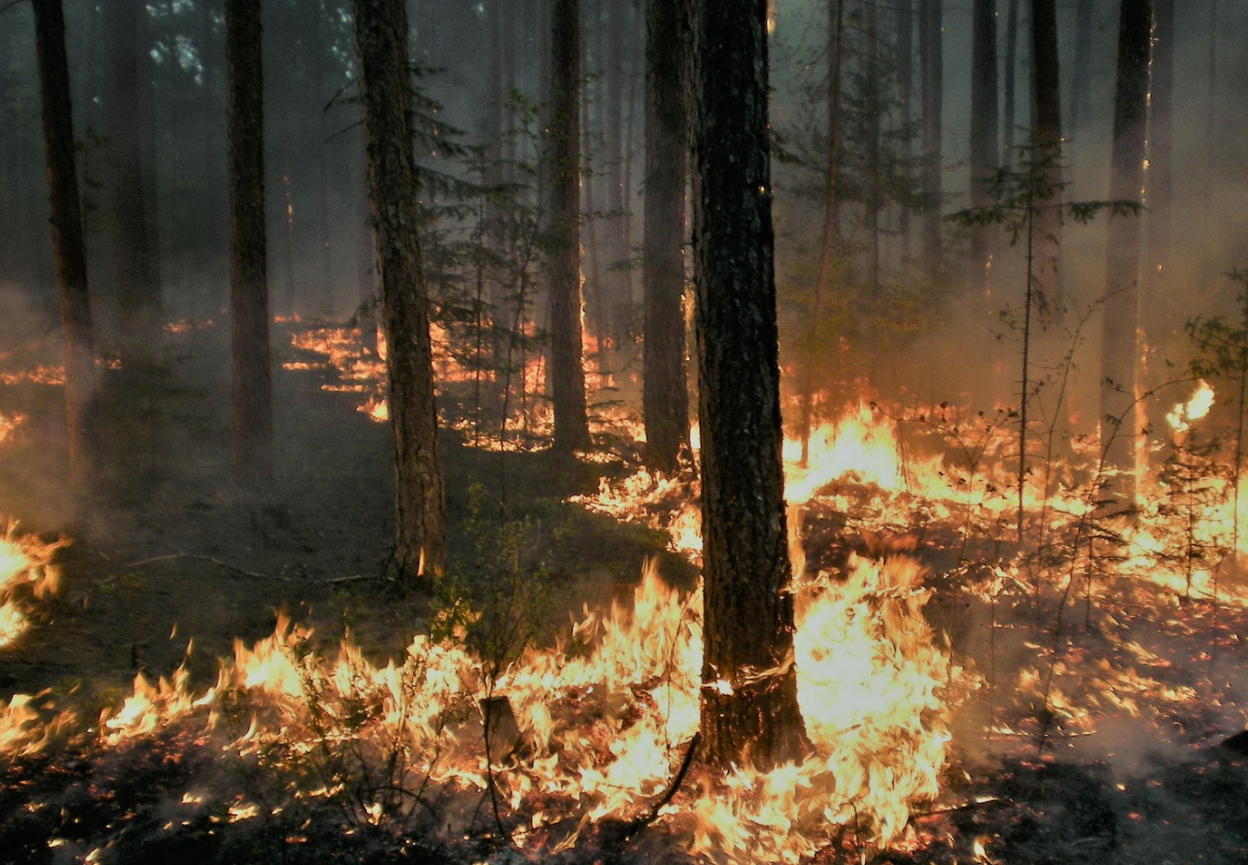
FIRE EFFECTS TO INSECTS:
To survive a megafire, insects must travel greater distances, for longer periods, and often at increased speeds. Insects with limited dispersal ability are likely to be caught in the flames, while those able to disperse move beyond their habitat range. Smoke affects insect flight and migration. Exposure to smoke can impair insect flight ability such as reducing butterfly flight distance and speed or causing insect disorientation. Particulate matter in smoke blocks the antennal receptors in some insects, including bees. Other insects delay their flights until sky conditions are clear. The scale of megafires alters fire behavior, generating powerful updrafts and firestorms that impede escape.
WHAT CAN WE DO?
Land stewards can create fire roads, waterways, cutlines and green breaks to protect patches from burning. In the Southwest, Northwest and Canada, land stewards are bringing back beaver for climate and wildfire mitigation. Beaver waterways tend to spread out further providing a wetland cover for wildlife and plants during megafires. Incorporating insects into conservation plans is crucial. Stewardship plans should prioritize conserving at-risk species, such as those with restricted ranges, smaller body sizes, higher specialization, and lower abundance.
LEARN MORE HERE:
Megafires and Insects, Science Direct
Fire affects on insects, Entomology Today
Beaver: Partners in climate resilience, Dr. Emily Fairfax
Wildfires and climate change, Science NASA